Steel Shields, Lower Bills: The Engineering Case for Metal Shutters in Energy-Efficient Home Design
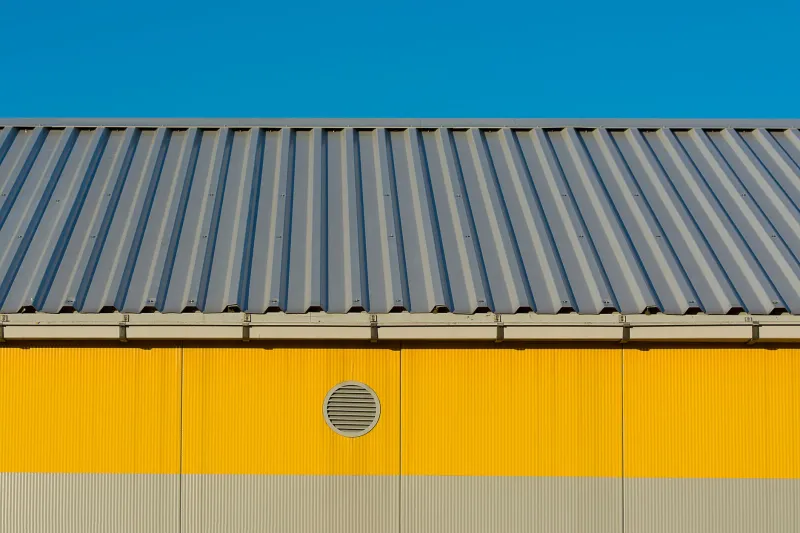
For most people, metal shutters conjure a specific image: the rolling steel facades of converted lofts in Brooklyn, the perforated aluminum panels of a downtown Chicago townhouse, or the corrugated iron screens of a repurposed warehouse somewhere in the American Southwest. The visual language is unmistakable. What is far less discussed, however, is the thermal science operating quietly behind that aesthetic—and the meaningful impact it can have on a home's annual energy expenditure.
As energy costs continue to climb and climate unpredictability becomes a design variable rather than an afterthought, architects and homeowners alike are discovering that the industrial shutter is not merely a style choice. It is, in many configurations, a sophisticated environmental management system.
How Metal Shutters Actually Regulate Temperature
At their most fundamental level, exterior metal shutters function as a secondary building envelope. When deployed, they create an air gap between the shutter surface and the window or wall behind it. This buffer zone—sometimes as narrow as two inches, sometimes considerably wider—acts as a thermal break, slowing the transfer of heat in either direction.
In summer conditions, particularly in high-solar-gain climates like those found across the Sun Belt, this mechanism is especially valuable. A south- or west-facing window without protection can admit enormous quantities of radiant heat, forcing air conditioning systems to work overtime. A properly specified aluminum or steel shutter, particularly one with a light-reflective finish or perforated surface, can reduce solar heat gain through that opening by as much as 60 to 75 percent, according to performance data cited by the Efficient Windows Collaborative.
Steel shutters with insulated cores—a product category that has expanded considerably over the past decade—add a second layer of benefit. Polyurethane or mineral wool fills bonded within the shutter panel provide measurable R-value, supplementing whatever insulation exists in the wall assembly behind them. In colder climates, this becomes particularly relevant during evening hours when heat loss through glass is at its most pronounced.
"The shutter is essentially functioning as a movable wall," explains Marcus Teller, a licensed architect based in Austin, Texas, who has incorporated rolling steel shutter systems into several residential conversions across Central Texas. "When clients ask me about passive climate control, I tell them that the best tool they have is one they can actually adjust. A fixed overhang does one thing. A shutter does several things, depending on the season and the time of day."
UV Mitigation and the Long-Term Cost of Sun Damage
Beyond thermal performance, metal shutters offer a less-discussed but financially significant benefit: ultraviolet radiation control. UV exposure is responsible for the degradation of flooring, upholstery, artwork, and window treatments over time. In states like Florida, California, and Arizona, where sun intensity is extreme, interior damage from UV penetration can represent thousands of dollars in replacement costs across the life of a home.
Perforated metal shutter panels—a design favored in contemporary industrial residential work for their ability to admit diffused light while maintaining a degree of closure—can block between 70 and 90 percent of UV radiation depending on perforation density and panel angle. This makes them particularly attractive to homeowners with significant investments in interior finishes or collections.
Sarah Okonkwo, who purchased and renovated a former light-manufacturing facility in Phoenix in 2021, installed custom perforated aluminum shutters across the building's expansive south-facing glazing. "My energy bills dropped noticeably in the first full summer," she says. "But what I didn't expect was how much more comfortable the interior felt. The light quality changed completely—it became usable light instead of punishing light."
Climate Zone Considerations and ROI Breakdown
The return on investment for metal shutter systems varies considerably depending on geographic location, building orientation, and the baseline energy performance of the structure. A general framework, however, helps buyers evaluate whether the investment makes financial sense before committing.
Hot-Arid Climates (Phoenix, Las Vegas, Tucson): Cooling load reduction is the primary driver. Homeowners in these zones typically report the fastest payback periods—often between four and seven years for a comprehensive exterior shutter installation—given the intensity and duration of solar exposure. Systems with high-reflectivity finishes perform best.
Hot-Humid Climates (Miami, Houston, New Orleans): Cooling benefits remain significant, though humidity management is an additional consideration. Aluminum shutters are generally preferred over steel in coastal or high-humidity environments due to their superior corrosion resistance. Payback periods are comparable to hot-arid zones.
Mixed-Humid Climates (Atlanta, Washington D.C., Charlotte): Insulated shutter panels deliver year-round value, reducing both cooling loads in summer and heat loss in winter. Payback periods typically range from seven to twelve years.
Cold Climates (Chicago, Minneapolis, Boston): The insulating function of steel shutters becomes the dominant benefit. In these markets, buyers should prioritize products with documented R-value ratings and thermal break construction at the frame level to avoid condensation issues.
Teller notes that the calculation also depends on how a buyer finances the installation. "If you're rolling shutter costs into a renovation loan at a low rate, the math often looks very different than if you're paying cash upfront. We run those numbers with every client."
What Buyers Should Ask Before Purchasing
For prospective buyers evaluating an industrial property that already features metal shutters—or considering a conversion where shutters are part of the design program—several questions are worth raising before closing.
First, verify the shutter material and its suitability for the local climate. Galvanized steel performs well in dry inland climates but may require more maintenance in coastal zones. Marine-grade aluminum or powder-coated finishes are worth the premium in high-humidity or salt-air environments.
Second, understand the operation mechanism. Manual crank systems, motorized rollers, and smart-home-integrated actuators all exist at different price points and with different maintenance profiles. Motorized systems add convenience but introduce mechanical components that will eventually require servicing.
Third, ask for energy performance documentation if it exists. Some sellers of renovated industrial properties will have utility bill histories that reflect the performance of installed systems—a valuable baseline for projecting future costs.
Finally, consult with a local HVAC contractor about how the shutter system interacts with the property's mechanical infrastructure. In some cases, the addition of effective exterior shading allows for the downsizing of cooling equipment, which represents a secondary cost saving that is easy to overlook.
The Bigger Picture
Metal shutters arrived in American residential design carrying the weight of industrial history—the working-class grit of the factory, the no-nonsense pragmatism of the warehouse. That heritage has translated into a design identity that resonates powerfully with a particular kind of buyer. What is becoming increasingly clear, however, is that the appeal need not rest on aesthetics alone.
In an era when energy performance is a legitimate line item in a home's value proposition, the industrial shutter has quietly become one of architecture's more elegant solutions to a very modern problem. It is, at once, a statement of design philosophy and a practical answer to the question every homeowner eventually asks: how do I make this building work better?
The answer, it turns out, may have been rolling across factory facades for over a century.